
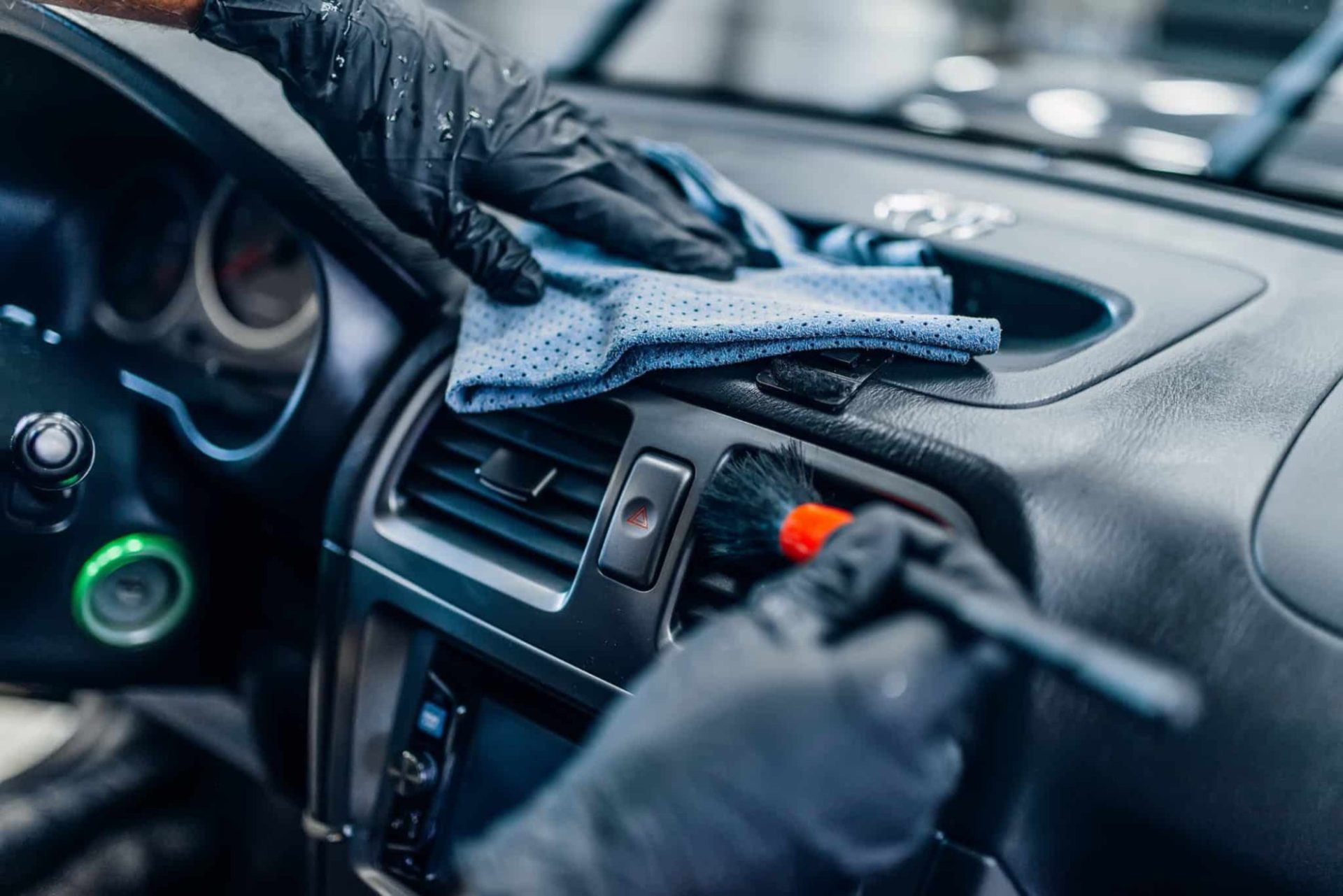
Most people size up a car’s condition from the outside. A glossy paint job, clean wheels, and a scratch-free bumper suggest a well-kept vehicle. But climb inside almost any car after a year or two of regular use, and a different story often shows up: dust settled into the vent slats, a faint musty smell in the carpet, coffee rings on the console, and a driver’s seat noticeably more faded than the passenger’s.
Interior wear happens slowly, which is exactly why it’s easy to overlook. Understanding what a professional interior detail actually involves helps explain why the results tend to look – and hold up – so differently from a weekend vacuum-and-wipe session.
Why the Interior Is Harder to Clean Than the Exterior
A car’s exterior is mostly one material system – paint, clear coat, and glass – cleaned with a fairly consistent process. The cabin is the opposite. A single interior might include woven fabric, perforated leather, vinyl, ABS plastic, rubber door seals, carpet fiber, and tinted glass, often within arm’s reach of each other. Each material reacts differently to heat, moisture, and cleaning chemistry, so a solution that’s perfectly safe on a plastic dashboard can dull or stain a leather seat.
Fabric and carpet also behave differently from painted surfaces because they’re porous. Spilled soda, foot traffic, and pet dander don’t just sit on top of the material – they work their way into the fibers, where dust, bacteria, and odor-causing residue can linger long after the surface looks clean. That’s part of why a thorough interior job takes considerably more time than most people expect.
Assessment Comes Before Any Product Touches the Interior
Experienced detailers start with a walk-around of the cabin, not a spray bottle. They check upholstery type, note existing stains or sun damage, look for pet hair buildup in the seams, and identify odor sources – a spilled drink under a seat, mildew in a floor mat, lingering smoke residue. This step determines which cleaning agents and tools are appropriate, since using the wrong product on the wrong surface is one of the more common ways an interior gets damaged rather than restored.
Step One: Clearing Out Loose Debris
Before any liquid cleaner comes out, loose debris has to go first. A proper interior detail goes well beyond running a handheld vacuum over the visible carpet. It typically includes:
- Removing floor mats and vacuuming underneath them
- Pulling seats forward or reclining them to reach tracks and gaps
- Vacuuming the trunk, glovebox, door pockets, and center console
- Using compressed air or a detailing blower to clear vents, seams, and stitching
- Brushing out crevices around seatbelt buckles and cupholders
This dry stage matters because wet-cleaning over loose dirt and grit just grinds those particles further into carpet and upholstery fibers instead of lifting them out.
Deep-Cleaning Carpet and Upholstery
Once loose soil is gone, most professional shops move to hot water extraction – sometimes called steam cleaning, though it’s really pressurized hot water and cleaning solution injected into the fibers and then pulled back out with a wet vacuum.
This process reaches embedded dirt and allergens that surface vacuuming simply can’t touch, which is why extraction is treated as the baseline for carpet and cloth seats in most professional workflows rather than an optional upgrade.
Leather and Vinyl Need a Two-Step Approach
Leather seats require cleaning and conditioning as separate steps, not one combined product. A pH-balanced cleaner lifts body oils, dust, and surface grime without stripping the leather’s finish, and a conditioner applied afterward replaces moisture that’s lost through daily use and sun exposure.
Skipping the conditioning step is one of the more common reasons leather seats crack prematurely. Vinyl and leatherette surfaces follow similar logic, though the products differ since those materials handle moisture and UV exposure differently than genuine leather.
Hard Surfaces: Dashboard, Console, and Trim
Wiping down hard plastics sounds simple, but there’s a real difference between a quick pass with an all-purpose cleaner and doing it correctly. Detailers generally avoid heavy, high-gloss “wet look” dressings on the dashboard, since that sheen reflects glare into the windshield and attracts dust faster than a satin finish would. Detail brushes handle vents, buttons, and stitched seams, and interior glass gets cleaned with an ammonia-free product to avoid damaging window tint.
Treating Odor at the Source, Not Just Masking It
An air freshener covers up a smell; a full detail addresses what’s causing it. Enzymatic cleaners break down the organic material – bacteria, mold spores, food residue – that produces odor in the first place, rather than layering fragrance over it.
Persistent smells, like cigarette smoke, sometimes call for ozone treatment, which oxidizes odor molecules throughout the cabin, including spots a cloth or brush can’t physically reach.
It’s also worth remembering that a car cabin is a small, enclosed space, so the products used inside it affect air quality, not just cleanliness. According to the Environmental Protection Agency, many household and cleaning products release volatile organic compounds that concentrate more heavily in enclosed spaces than outdoors – a reasonable argument for shops that favor low-VOC products and ventilate the cabin after treatment rather than sealing it up right away.
Final Protection Layer
The last stage applies UV-resistant protectant to the dashboard, door panels, and other exposed trim. This isn’t purely cosmetic – UV exposure through the windshield is a major driver of plastic fading and cracking over a vehicle’s life, especially in warmer climates. A good protectant also reduces static cling, which slows how quickly dust resettles on treated surfaces between details.
What Separates a Basic Clean From a Full Detail
A quick interior clean usually means a vacuum and a wipe-down – useful for routine upkeep, but it doesn’t touch what’s embedded in the carpet fibers or address leather conditioning and odor sources.
A full professional detail works through each of the stages above in sequence, often with seats and panels partially pulled for access most owners wouldn’t attempt on their own.
Training matters here too. Groups like the International Detailing Association maintain certification programs and shared best practices specifically because technique and product knowledge vary widely across the industry, and the wrong process can do real damage to upholstery or trim.
Shops that structure their work around this kind of sequence – assessment, extraction, conditioning, odor treatment, protection – tend to produce more consistent, longer-lasting results than a one-size-fits-all wipe-down. Cargo Detailing follows a similar staged process on the vehicles it services, treating each material in the cabin according to what it actually needs rather than applying one product to everything.
For anyone comparing options, it’s worth asking a shop directly what their process includes stage by stage. Many providers now lay this out as a full interior detailing service so customers know exactly what’s being done and why, rather than seeing a vague line item on an invoice.
How Often Does an Interior Actually Need This?
Usage matters more than a fixed calendar. Daily commuters, families with young kids, and pet owners generally see faster buildup of dust, hair, and odor-causing debris, and tend to benefit from a full detail every three to four months.
Vehicles used lightly – a weekend car, for instance – can often go six months to a year between full details, with routine vacuuming in between to keep grit from working into the carpet.
The Bottom Line
A professional interior detail isn’t just a deeper vacuum. It’s a sequence of material-specific steps – dry removal, extraction, leather conditioning, odor elimination at the source, and UV protection – each addressing a different part of how an interior wears down over time.
Understanding that sequence makes it easier to judge whether a service is doing thorough work or just making the cabin smell nice for a week.
