
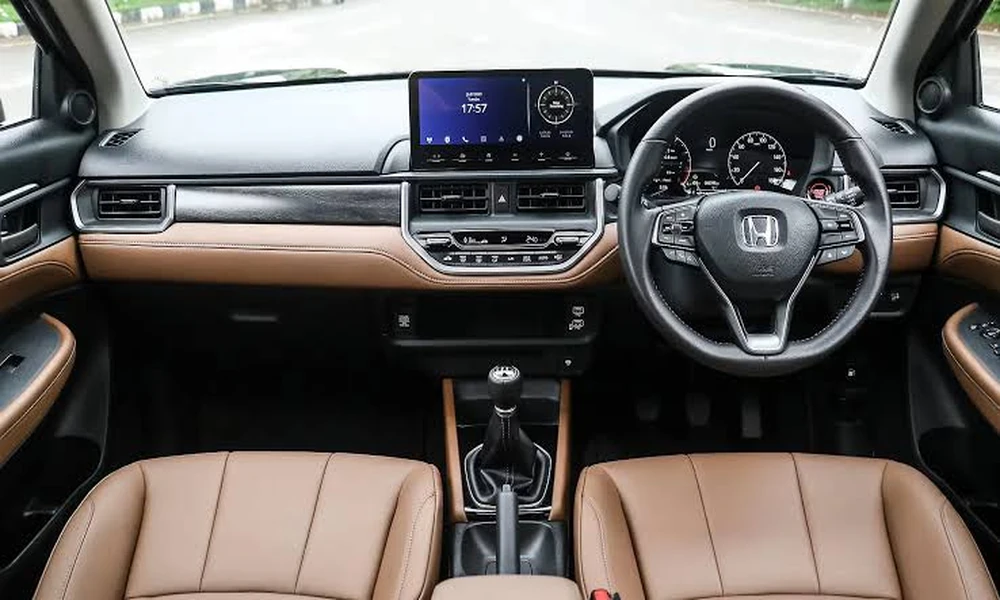
A comfortable cabin can change how daily driving feels. Supportive seating reduces strain during longer journeys. Smart assistance can also reduce routine driving demands. At the Mike Calvert Ford of Houston dealership, drivers can consider vehicles combining interior comfort with useful driving technology. These features work together during commuting, parking, highway travel, and stop-and-go traffic. Good design matters because small conveniences become noticeable through repeated trips.
Supportive Seating Shapes Daily Driving
Long commutes place steady demands on posture. Contoured seats can support the lower back better. Adjustable controls help drivers find suitable positions. Soft-touch surfaces can also reduce cabin fatigue. Even modest seating changes become valuable during extended drives.
Which Features Improve Cabin Comfort?
Interior comfort extends beyond the seats themselves. Climate controls help maintain a pleasant cabin temperature. Storage areas keep essential items organized and reachable. Noise reduction can also make conversations easier during busy commutes.
- Adjustable seating supports different driving positions.
- Useful storage keeps loose items contained.
- Clear controls reduce unnecessary cabin movement.
- Quiet cabins make conversations easier.
Assistance Systems Reduce Driving Workload
Driver assistance features can handle specific driving tasks. Lane alerts can draw attention toward unintended movement. Parking sensors help identify nearby obstacles. Adaptive cruise control can maintain selected spacing during suitable highway conditions. These systems support awareness without replacing driver responsibility.
Can Technology Make Commuting Simpler?
Modern assistance can reduce repeated corrections during routine travel. Cameras provide useful views around crowded parking spaces. Blind-spot alerts can highlight vehicles beside the car. At the Mike Calvert Ford of Houston dealership, shoppers can examine controls before choosing suitable technology. Familiar controls matter because quick recognition supports confident responses.
- Camera views clarify tight parking areas.
- Alerts highlight vehicles outside direct sight.
- Cruise assistance can manage selected speeds.
- Lane warnings provide added visual attention.
Cabin Design Supports Connected Routines
A well-planned interior keeps important functions accessible. Steering controls can reduce repeated hand movement. Large displays can organize navigation and vehicle information. Phone connectivity can also support calls and media without constant device handling. Such details help maintain attention toward surrounding traffic.
Why Do Commutes Benefit From Integration?
Comfort and assistance serve different purposes. Seating addresses physical strain while technology supports situational awareness. Together, both can create a more controlled daily drive. Yet technology cannot replace attentive driving habits. Proper adjustment remains important before setting off.
Thoughtful Features Change Familiar Routes
Repeated routes reveal which vehicle details matter most. A supportive seat may become noticeable after an hour. A clear parking camera can simplify a narrow space. Driver assistance adds another layer of awareness during routine travel. Those small advantages can shape everyday satisfaction more than occasional features. The result is a commute where useful design becomes part of each mile.
FAQs
What makes an interior comfortable for commuting?
Supportive seating, useful storage, climate controls, and reduced cabin noise can make regular journeys more manageable.
Which driver assistance features help during commuting?
Lane alerts, parking cameras, blind-spot warnings, and adaptive cruise control can support selected driving situations.
Can driver assistance replace attentive driving?
No. Assistance systems support drivers, while active attention and proper vehicle control remain essential throughout each journey.
Why does cabin design matter during longer drives?
Good seat support and accessible controls can reduce physical strain while making frequent driving tasks easier to manage.
