
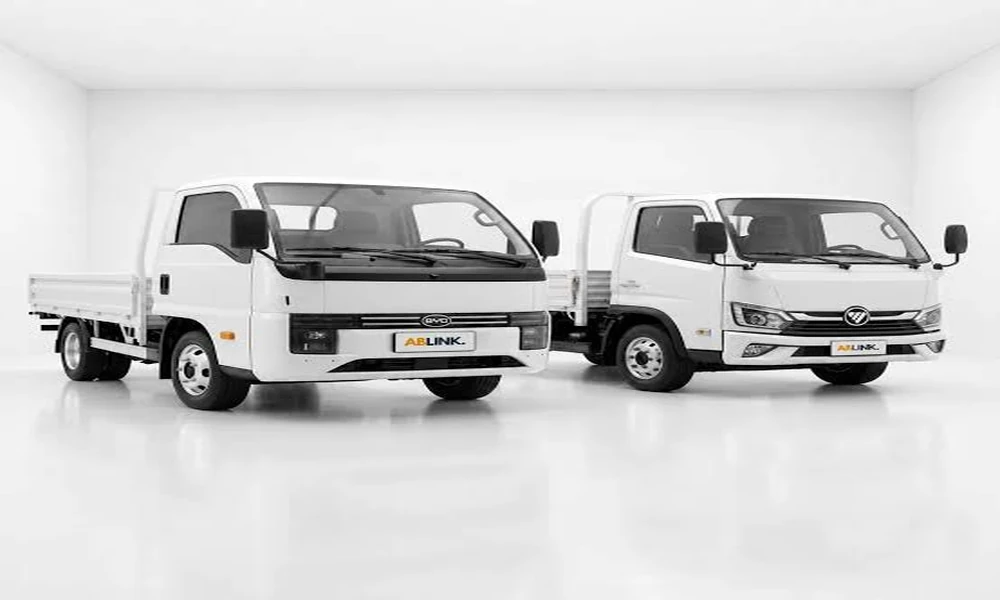
The 10ft lorry is the default vehicle for small-scale deliveries, trades and light logistics, and the default assumption has been that it runs on diesel. Electric versions are now practical for much of that work, but they are not a like-for-like swap. Range, payload, charging and the cost structure all differ in ways that suit some operations and not others. A company looking at an electric 10ft lorry singapore should judge it against its own routes and loads, not against the diesel it replaces.
Where a 10ft Lorry Fits
A lorry of this size typically serves urban routes: furniture and appliance delivery, building materials for renovation work, catering, event logistics and business-to-business distribution. Journeys are short, stops are frequent and the vehicle returns to base daily. That pattern happens to match what battery electric drive trains do well. Stop-start traffic lets regenerative braking recover energy, and predictable overnight parking allows charging without disrupting the working day.
Daily Distance and Real Range
Published range figures are measured under standard test conditions. In service, range falls with heavier loads, sustained air conditioning, expressway speeds and battery ageing. The sensible approach is to record actual daily distances for existing vehicles over several weeks, identify the longest regular day and require a comfortable margin beyond it. If most days are well within range and a few are not, consider whether those routes can be reassigned before ruling the vehicle out.
Driving Characteristics in Urban Work
Electric motors deliver full torque from rest, which suits a laden vehicle pulling away from junctions and loading bays many times a day. There is no gearbox to work through and little noise or vibration in the cab, which drivers tend to notice by the end of a long shift. Quiet running also helps with early morning or late evening deliveries in residential areas. None of this replaces a proper trial, but it explains why drivers who have switched are seldom keen to return.
Purchase Price and Incentives
Electric goods vehicles generally carry a higher list price than diesel equivalents. Government incentives narrow the gap, but the amount depends on vehicle weight and current scheme terms. Light goods vehicles up to 3,500kg maximum laden weight are assessed under one emissions-based scheme, with a different arrangement above that weight. Companies should confirm what commercial vehicle grant singapore support applies to the exact variant and treat the dealer’s net price as provisional until registration timing is certain.
Payload and Cargo Space
Batteries are heavy, and their weight counts against the vehicle’s maximum laden weight. An electric lorry may therefore carry less than a diesel model with the same body length. For bulky, light cargo such as parcels or furniture this rarely matters, because the box fills before the weight limit is reached. For dense loads such as tiles, cement or bottled goods it can be decisive. Check the stated payload, not just the cargo dimensions.
Charging Arrangements
The most economical charging is overnight at the place the vehicle is parked. That requires a suitable electrical supply and, for leased or shared premises, the landlord’s consent. Businesses whose drivers take vehicles home, or who park in public or heavy vehicle car parks, will depend more on public chargers and should check availability and tariffs along their routes. Establish the vehicle’s alternating and direct current charging rates, since these determine how long a midday top-up takes.
Running and Maintenance Costs
Electricity per kilometre generally costs less than diesel, though the saving depends on where the vehicle charges and at what tariff. Maintenance is simpler: there is no engine oil, exhaust after-treatment or clutch, and brake wear is reduced by regeneration. Tyres, suspension and the cooling systems for the battery and motor still need attention. Ask the dealer for a scheduled service plan with prices so that the comparison with diesel rests on figures and not on general claims.
Battery Warranty and Residual Value
The battery is the most valuable component, and its condition will largely determine what the vehicle is worth later. Examine the warranty for its duration, distance limit and the capacity level below which a replacement is provided. Ask what a replacement pack costs outside warranty. The resale market for electric commercial vehicles is still developing in Singapore, so conservative residual assumptions are prudent. A lease or guaranteed buy-back shifts some of that uncertainty to the supplier.
Weight Class and Regulatory Position
Variants of a 10ft lorry can sit on either side of the 3,500kg line, and the classification affects more than the incentive. It can influence the driving licence class required, speed limits, parking and road tax. A variant above the threshold may come under the heavy vehicle zero emissions scheme, which has its own amounts, dates and payment schedule. Confirm the registered maximum laden weight early, because several downstream decisions depend on that one figure.
Deciding If It Suits Your Operation
An electric 10ft lorry makes sense where daily distances are predictable and within range, loads are bulky more than heavy, and charging can be arranged where the vehicle rests. It is harder to justify for long or irregular routes, dense cargo or sites with no prospect of a charger. Run a cost comparison over the intended ownership period using measured mileage, confirmed incentive terms and quoted service costs. Then arrange a trial on an actual route before committing the fleet.
