
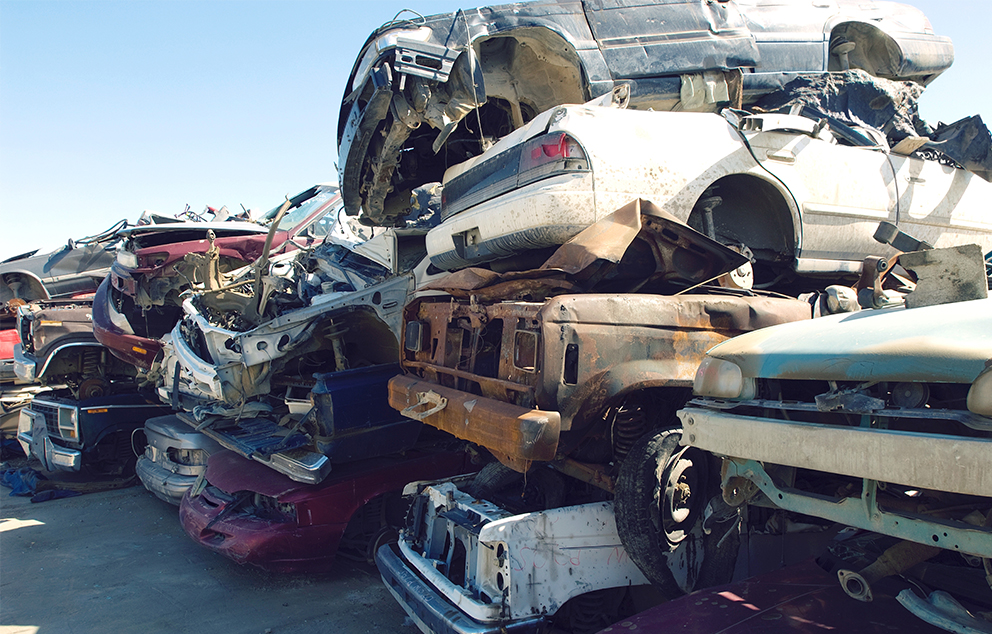
The decision to scrap car Singapore represents a significant moment in the lifecycle of vehicle ownership, marking the intersection of personal economics, government regulation, and environmental stewardship in one of Asia’s most meticulously administered city-states. Since Singapore established its Certificate of Entitlement system in 1990, the nation has created a comprehensive framework governing how vehicles enter, circulate through, and ultimately exit its limited roadways. Understanding this framework is essential for any vehicle owner approaching the end of their certificate’s validity.
The Historical Context of Vehicle Control
Singapore’s approach to automobile regulation emerged from geographical necessity. A small island nation with finite road space confronting explosive economic growth required mechanisms to prevent vehicular gridlock from strangling commerce. The Certificate of Entitlement system arose as the solution, creating a fixed quota of vehicles and forcing potential owners to bid for registration privilege.
The Land Transport Authority, Singapore’s regulatory body for transport matters, administers this system with characteristic precision. According to the LTA’s official documentation, “Once your vehicle is deregistered, it can no longer be kept or used in Singapore.” This declarative statement carries the weight of law, establishing the binary choice facing every owner whose certificate approaches expiry.
The Economics of Vehicle Disposal
When circumstances demand you Scrap car Singapore, three financial streams converge to determine your final return. The Certificate of Entitlement rebate compensates for unused certificate time through a daily prorated calculation. The Preferential Additional Registration Fee rebate, available only for vehicles under ten years of age, returns a percentage of the substantial additional registration fee paid at initial purchase. Finally, the authorised scrapyard pays for the vehicle’s physical components based on prevailing metal prices and parts demand.
The PARF rebate structure reveals the government’s policy intention to encourage regular fleet renewal:
- Vehicles deregistered within their first five years return 75% of the original Additional Registration Fee
- Vehicles deregistered between five and eight years return 50%
- Vehicles deregistered between eight and ten years return 25%
- Vehicles exceeding ten years forfeit PARF eligibility entirely
This declining scale creates economic pressure favouring disposal over long-term ownership, aligning private incentives with public policy goals of maintaining a modern, efficient vehicle fleet.
The Deregistration Imperative
No vehicle owner may proceed directly to disposal without first satisfying the deregistration requirement. This administrative step serves multiple purposes within Singapore’s regulatory architecture. It formally terminates the vehicle’s legal status, triggers the rebate calculations, and creates the documentary trail proving proper disposal. The process demands specific credentials depending on citizenship status. Singaporean citizens and permanent residents must present their original National Registration Identity Card. Foreign nationals require their Ministry of Manpower or Immigration and Checkpoints Authority employment or immigration pass.
The OneMotoring platform, accessible through Singpass two-factor authentication, allows eligible applicants to complete deregistration entirely online. Those lacking Singpass credentials must schedule appointments at Land Transport Authority Customer Service Centres, typically requiring one week’s advance notice.
The Appointed Scrapyard System
Singapore’s government does not permit casual vehicle disposal. The Land Transport Authority maintains an official register of appointed scrapyards authorised to receive and process deregistered vehicles. This system ensures environmental compliance, prevents illegal export, and maintains rebate process integrity. Vehicle owners must deliver their deregistered vehicles to these approved facilities within eight calendar days of authorisation. This deadline brooks no extension. Failure to meet it invalidates the authorisation and necessitates restarting the application process.
The scrapyard evaluation determines the body value payment. Several factors influence this assessment:
- International commodity prices for steel and other metals
- Local market demand for the vehicle’s spare parts
- Make and model popularity among mechanics and repairers
- Vehicle condition and completeness
Popular models commanding strong parts demand fetch premium prices. Uncommon vehicles with limited parts market interest return minimal amounts above base metal value.
The Consequences of Non-Compliance
The Land Transport Authority enforces vehicle disposal regulations through substantial penalties reflecting the seriousness with which Singapore treats regulatory compliance. The authority’s official guidance warns that failure to submit disposal proof within one month of deregistration may result in prosecution carrying “a maximum fine of $2,000 or 3 months’ imprisonment.” These are not theoretical penalties. Singapore’s judicial system regularly prosecutes regulatory violations.
The offence compounds when owners retain deregistered vehicles on their property or attempt to operate them on public roads. Such vehicles lack insurance coverage and valid road tax, creating separate violations each carrying distinct penalties. Operating an uninsured vehicle triggers mandatory driving licence disqualification lasting at least twelve months, in addition to fines and possible imprisonment.
Strategic Timing and Financial Optimisation
The mathematics of vehicle disposal favour advance planning over last-minute scrambling. Certificate of Entitlement rebates decline daily as expiry approaches. Waiting until the final days sacrifices rebate value while creating logistical complications. Expired certificates render vehicles illegal for road use, necessitating expensive towing services.
Optimal timing begins the disposal process two to three weeks before certificate expiry. This window permits comparing quotes from multiple authorised scrapyards, gathering required documentation, settling outstanding obligations, and arranging convenient transportation. The modest additional planning time frequently translates into hundreds or thousands of dollars in improved outcomes.
The Rebate Claim Process
After delivering the vehicle to an authorised scrapyard and receiving the Certificate of Destruction proving proper disposal, owners must submit rebate applications through the OneMotoring digital platform. The Land Transport Authority processes legitimate applications within two to four weeks, transferring approved funds directly to applicants’ designated bank accounts. The system operates efficiently when applicants provide complete, accurate information and maintain organised documentation.
The Path to Successful Disposal
Navigating the complexities of vehicle disposal in this highly regulated environment requires understanding the regulatory framework, meeting strict deadlines, comparing market offers, and maintaining meticulous records. These fundamental principles, consistently applied, ensure maximum financial return and full legal compliance when the time comes to Scrap car Singapore.
