
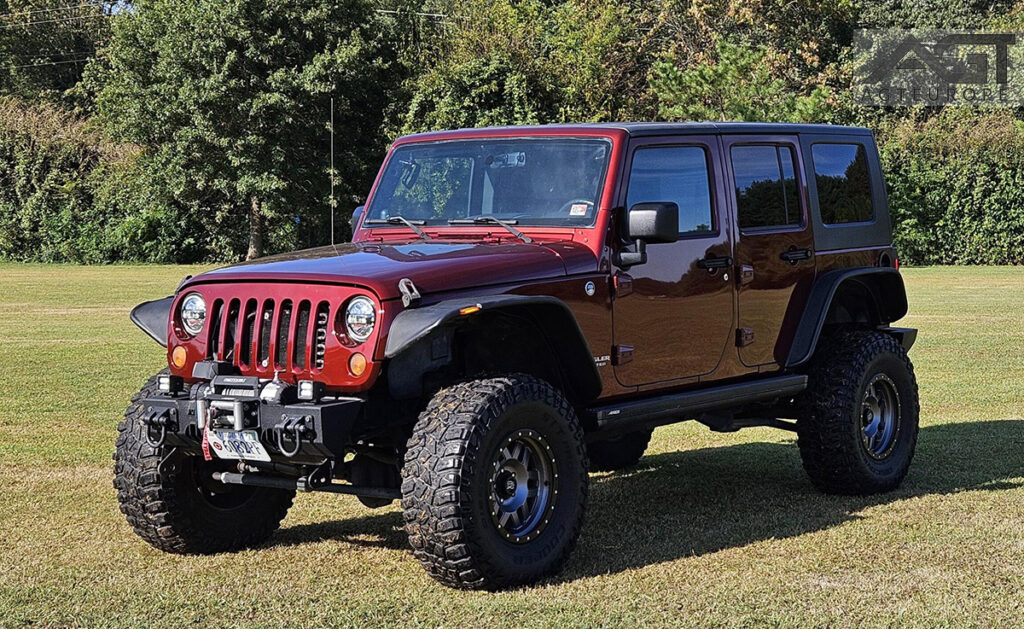
Unlike conventional commuter motors, a Jeep Wrangler often faces harsh use: mudding, dune climbing, water crossing, and spotty terrain. Around 75K miles, several components reach completely of their normal biological clock or start showing symptoms of stress.
This mileage isn’t a warning sign—it’s completely a checkpoint where smart holders start paying tighter attention. Addressing early issues immediately prevents breakdowns later, especially if you still enjoy off-roading on weekends.
Common Issues You’ll Likely Face After 75K Miles
Below are the questions most Jeep owners start to notice around this rate, along with the reasons they happen. Visit shops for Auto Repair in Bakersfield, CA, like Brandon’s Transmission & Auto Repair for any kind of issue.
1. Suspension Wear and Sagging
Jeep suspensions are defeated. Coil springs may sag, contents crack, and shocks lose their damping power. Symptoms ordinarily include:
- A lively or uneven ride
- More body roll
- Clunking noises over hits
If you’ve lifted your Jeep or frequently haul gear, suspension wear performs even sooner.
2. Steering Wander and Loose Handling
Many Wrangler proprietors complain that the Jeep starts to “wander” on the highway. Playing with the steering wheel frequently comes from:
- Worn tie rods
- Aging globe joints
- Loose path bar bushings
Left unrestrained, steering license can lead to the shameful “death wobble.”
3. Transmission and Drivetrain Stress
Off-roading puts extra strain on the transmission, transfer case, and characteristic. Around 75K miles, you may notice:
- Delayed shifting
- Hard gear date
- Growling noises from the characteristic
Regular fluid changes prevent many of these questions, but neglect speeds up wear.
4. Oil Leaks and Gasket Failures
Wranglers develop lubricate seepage from the:
- Valve cover seal
- Oil pan gasket
- Rear main seal
You may spot oily residue under the Jeep or a blazing smell near the transformer.
5. Exhaust System Rust
Years of mud, wet environments, and water crossings can corrode drain components. At this rate, watch for:
- Rattling heat shields
- Leaky mufflers
- Rusted flanges
While minor in the beginning, exhaust leaks someday affect conduct.
When to See a Jeep Specialist
A general machinist from shops like Brandon’s Transmission & Auto Repair can handle basic repairs, but sure Wrangler issues—like steering order alignment, delay geometry, axle rebuilds, and 4×4 diagnostics—are handled best by Jeep-prepared technicians.
You should visit a technician if you notice:
- Shaking at 50–60 mph
- Repeated overheating
- Harsh shifting or 4WD engagement questions
- Deep suspension clunks
Specialists think the Wrangler’s unique quirks can prevent the “death wobble” and other common ongoing issues.
Conclusion
A Jeep Wrangler, followed by correct sustenance, can last well over 200,000 miles. Hitting the 75K-mile mark plainly wealth it’s an occasion for closer concern and proactive care. By being aware of what to wish and sending issues early, you’ll hold your Wrangler adventure-ready—whether you’re exchanging, camping, or climbing rocky trails.
