
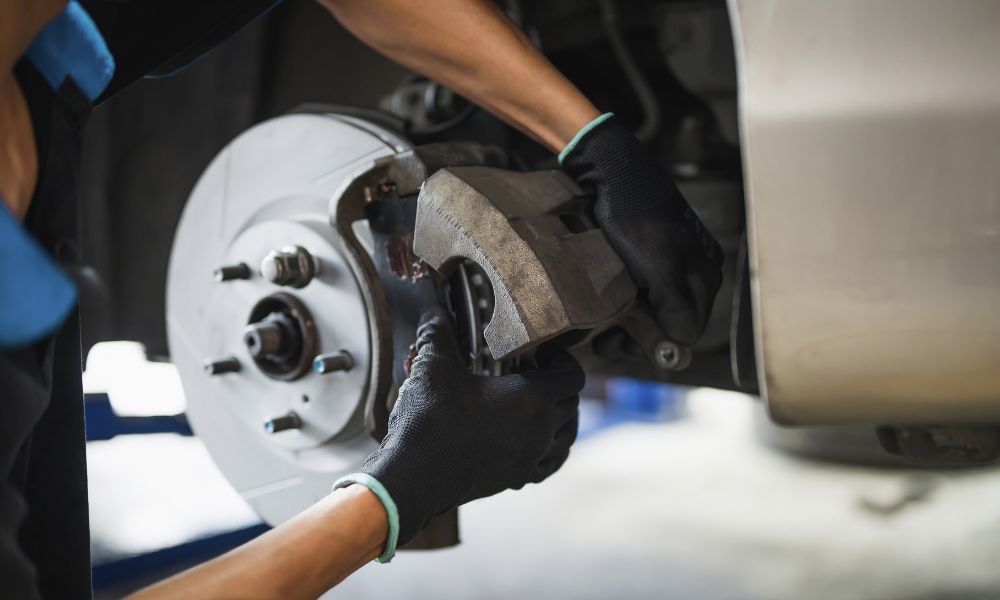
Every moving part needs to function at its best to ensure safety and smooth control. Nothing is more critical than a responsive brake system that handles pressure without fading. The right parts should match the usage and type of driving done. Investing in quality options stops early wear and improves stopping strength. Maintenance starts with part selection and not just repair after failure. Many choose brakes tamworth to secure durable components that perform reliably under pressure.
Brake pad types must match your needs
Different pad types suit different uses. Picking the wrong one leads to faster wear and poor grip.
- Ceramic pads stay clean and produce less dust during use
- Semi-metallic types handle higher loads with a steady grip
- Organic pads offer smoother stops in light driving situations
- Performance pads maintain control during heat buildup or stress
- Right pads control heat and improve stop precision.
Rotor quality affects grip and fade resistance
A well-machined rotor resists warping and cools quickly. It allows smoother brake contact across all road surfaces.
Backing plates hold everything in its proper place.
These hidden parts support pad placements. Weak backing plates shift under pressure, causing uneven wear.
Brake fluid choice shapes brake response time.
Fluid must remain stable under changing temperatures. The wrong one reduces efficiency and leads to early issues.
- Suits low stress systems with consistent stop habits
- Holds better pressure under sudden braking
- Does not absorb water, but needs a full system change
- Clean fluid reduces the spongy pedal feel over longer use
- Old fluid allows rust in internal components
- Water-contaminated fluid leads to fading during hot stops
- Frequent flushes keep pressure levels high during stops
- Use fresh fluid from sealed bottles to avoid breakdown
- A good system needs clean fluid matched to its usage. The brakes Tamworth parts often come tested to match these needs.
Check the pad wear indicators often during service
These metal clips warn when pads are too thin. Noise signals it’s time to replace before deeper damage occurs.
Always torque bolts to the correct specification
Improper torque on parts leads to vibration or breakage. Use a calibrated tool for each assembly section.
Calipers must slide smoothly for even wear
If one side grabs more than the other, the car pulls. Cleaning the grease on slides avoids this issue.
Replace hardware, not just visible parts
Small springs, clips, and pins help with alignment. Worn-out hardware affects the full function of new parts.
Consistent brake feel matters every time
Brake performance must stay even. Uneven pressure means one side is working harder. This reduces control and safety. Changes in feel should never be ignored.
Choose tested parts for peace of mind
Cheap fittings fail early. Well-built ones last under repeated pressure. Choose components made for your exact system. Trust builds from quality at the start. The more care put into part choice, the longer the system lasts. Braking power depends on quality every single time.
