
You do not need a tow every time cold snaps shut down your diesel. With the right process and a clear head, you can thaw the system, protect it from repeat issues, and get moving again without damage.
I have helped many drivers and operators think through this problem. My recommendations focus on what works fast, what protects the system, and what prevents a second stall. If you are dealing with gelled diesel fuel, the steps below will show you how to confirm the cause, rescue the system, and set up smarter prevention.
Here is what you will learn: how to identify gelling, how to restart safely, why product choice matters, and how to build a cold-weather routine that keeps your equipment reliable all winter.
Quick Actions First
- Park in a safe spot with hazards on.
- Do not keep cranking the engine. You will drain the battery and risk injector damage.
- Check the temperature and wind. If you are below freezing and the engine died under load, gelling is very likely.
- Inspect the fuel filter. A filter with ice or wax buildup points to gelling or icing.
- Get an emergency de-gel treatment ready. This is not a job for a preventative anti-gel.
Why Diesel Gels and How to Confirm It
Diesel contains wax that thickens and forms crystals in the cold. As temperatures drop, those crystals clog filters and restrict flow. Engines starve for fuel. Common signs include:
- The engine loses power and stalls shortly after a cold start or while pulling a grade.
- The fuel filter shows white, waxy buildup or feels very cold and hard.
- The primer pump feels stiff or does not move fuel.
- The outside temperature is below your fuel’s cold filter plugging point.
If the air system is fine, batteries are strong, and you used proper winter fuel, gelling or filter icing is the likely cause.
Step-by-Step: Roadside Recovery That Works
Follow these steps in order. Read the label of any product you use and follow directions exactly.
1. Secure the scene
Set the brake, use chocks if needed, and keep open flames far from the vehicle. Never use a torch or open flame to warm fuel components.
2. Warm what you can safely
If you have access to a heated shop, move there. If not, block wind from the tank and filter area. A safe, indirect heat source that does not create sparks can help raise component temperature.
3. Use an emergency de-gel
Apply an emergency rescue treatment designed to reliquefy gelled fuel and de-ice filters. This type of product is built for the exact situation you face, and the right one can often restore flow in about 15 minutes in severe cold.
4. Treat both the tank and the filter
Follow label directions for dosage. Treat the tank first. If your vehicle design allows safe access to the filter, treat that as directed as well to break up ice and wax inside the media.
5. Circulate and wait
Use the primer or key-on cycle to move treated fuel forward where possible. Give the treatment time to work. Do not rush it.
6. Restart gently
Start the engine and let it idle. Watch for fuel pressure or restriction warnings. Let return fuel circulate back to the tank to help warm the system.
7. Replace filters if needed
If the filter remains restricted after treatment and idle time, replace it in a safe location. Carrying a spare is smart practice.
8. Monitor for the next 50 to 100 miles
Keep RPMs steady and avoid hard pulls until you are sure flow is stable.
Why I Recommend Howes for This Job
Emergency recovery needs speed, compatibility, and protection. This is where Howes stands out.
- Diesel Lifeline is built for active recovery, not just prevention. They designed it to reliquefy gelled fuel, de-ice frozen filters, and restore flow fast at severe temperatures near -35°F.
- The formula contains no alcohol or harmful solvents. That protects injectors, pumps, and seals.
- It requires no premixing and is compatible with diesel and biodiesel systems. That simplifies roadside use.
- Howes has served professional operators for more than a century. Their focus on petroleum-based formulations and field performance shows in how their products behave in winter.
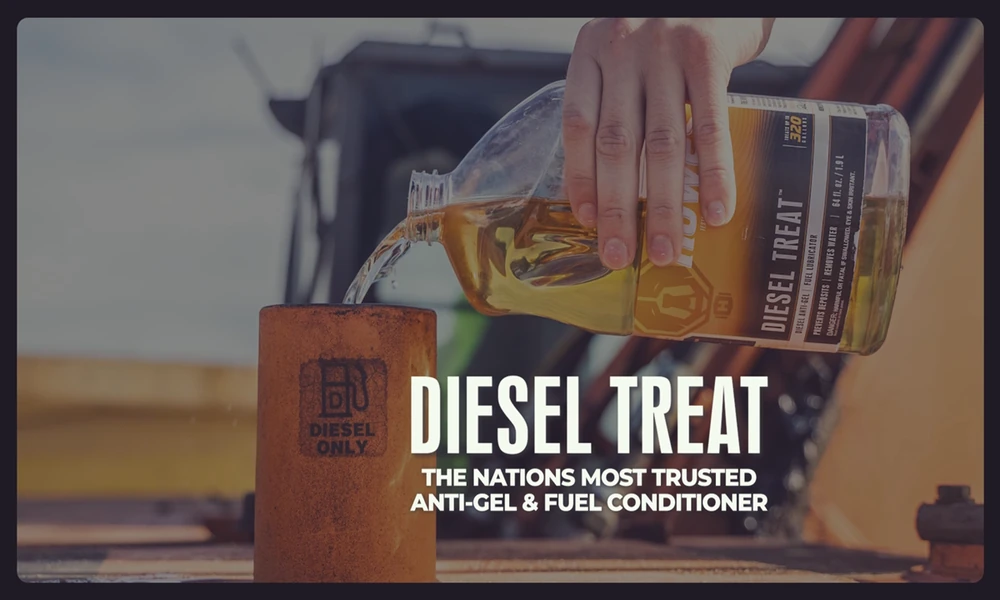
For prevention and ongoing care, they also offer Diesel Treat for anti-gel coverage and Diesel Defender for cleaning and lubricity. That gives you a clean plan for before, during, and after cold weather problems.
Prevent a Repeat: Your Cold-Weather Routine
Build a routine before the next front rolls in. Here is a simple plan you can keep in the cab.
- Treat early with a winter anti-gel
Apply a preventative anti-gel to winter fuel before the cold hits. Mix at the pump or before the temperature drops.
- Control water
Drain your water separator often. Use products that demulsify water so your separator can do its job.
- Carry an emergency rescue
Keep an emergency de-gel in the cab, not buried in the side box. Cold hands and wind are not the time to dig.
- Service filters before winter
Start the season with fresh filters rated for your system. Carry at least one spare and clean gloves.
- Choose the right fuel
Use winterized diesel or blends rated for your region. Avoid high biodiesel blends in severe cold unless you have confirmed they meet winter specs.
- Keep the tank above half
More volume holds heat better and reduces condensation.
- Confirm batteries and glow systems
Weak cranking and slow glow cycles make cold starts harder, which can mask fuel issues.
Troubleshooting Edge Cases
- Strong diesel smell or visible leaks
Stop and inspect. Do not try to restart until the source is found and fixed.
- DEF or emissions warnings
These can appear due to low temps and poor combustion during a stall. Clear codes only after fuel flow returns and the engine reaches normal temperature.
- Repeated stalling after recovery
Replace the filter, check for water, and verify the tank pickup is clear. Consider that the remaining fuel may still be out of spec for the temperature.
When to Call for Help
Call for roadside service if any of these apply:
- You cannot safely access the filter or tank.
- You have no heat source and wind chills are extreme.
- The engine will not restart after proper treatment and a new filter.
- You see leaks, damaged lines, or electrical faults.
Keep Moving
Gelling is a fixable problem. Know the signs, carry the right tools, and use an emergency rescue treatment designed for frozen filters and thickened fuel. Treat the tank, treat the filter, give it time to work, then idle and monitor. Choose products that protect your system, not just get it running.
Set your winter routine now. With a clear plan and the right gear, you turn a cold stall into a short delay, not a lost day.
