
You already know diesel systems demand attention, especially when weather shifts or fuel quality changes. I spend time studying diesel treatment options because small choices here affect uptime, repair costs, and engine life. I look at products based on cold weather protection, fuel cleanliness, lubricity support, and how well they fit real operating conditions. You benefit because this saves you trial and error and helps you choose solutions that work across seasons, not just in one scenario.
Early on, fuel cleanliness matters. Using a proper diesel injector cleaner helps protect injectors, improve spray patterns, and support steady combustion before problems start. That sets the foundation for everything else discussed below.
Why Diesel Additives Matter More Than Many Expect
Diesel fuel today lacks the lubricity older engines relied on. Cold temperatures create added stress through waxing, water buildup, and filter icing. I advise you to view diesel additives as preventive tools, not emergency fixes alone.
A strong diesel treatment should focus on:
- Preventing gelling in low temperatures
- Removing water without alcohol
- Restoring lubricity for injectors and pumps
- Supporting clean combustion
When additives cover all four areas, engines run smoother and remain reliable through changing conditions.
Choosing an Anti Gel Additive for Winter Operation
Cold weather diesel additive choice matters because not all formulas work the same way. Many rely on alcohol, which dries seals and reduces long term protection. I look for winter additives that treat fuel chemically without harsh solvents.
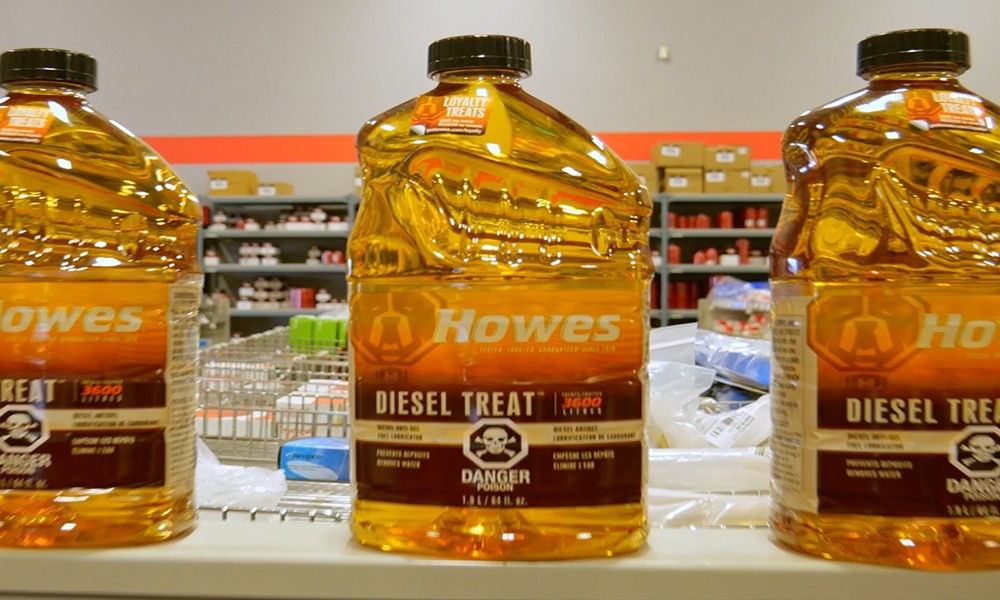
Howes Diesel Treat stands out in this area. They designed it as an alcohol free anti gel diesel fuel additive that prevents wax crystal formation before fuel thickens. It removes water, improves lubricity, and reduces smoke without harming fuel system parts.
This approach helps you:
- Prevent diesel gelling before it starts
- Maintain fuel flow in cold starts
- Protect injectors and upper cylinders
For anyone running equipment or vehicles in winter climates, this type of treatment reduces downtime and stress.
What to Do When Diesel Fuel Gels
Even with preparation, fuel can gel during sudden cold snaps. Knowing how to ungel diesel helps limit damage and lost time.
Howes Diesel Lifeline fills this role. It is built as an emergency product that re liquefies gelled diesel fuel and de ices frozen fuel filters without pre mixing. It works directly in the tank and system, even at extreme temperatures.
I recommend viewing this type of product as insurance. Keep it available during winter months so you can fix gelled diesel fuel fast without towing or filter replacement.
Keeping Injectors Clean and Protected Year Round
Cold weather protection is only part of diesel care. Injector deposits reduce power, increase fuel use, and create rough idle. I advise regular use of a diesel lubricity additive that also cleans injectors.
Howes Diesel Defender focuses on this area. They designed it to deliver higher lubricity levels than many competitors while cleaning internal diesel injector deposits. It removes water, improves combustion efficiency, and supports fuel economy gains without harming emission systems.
This matters for you because clean injectors:
- Improve throttle response
- Reduce exhaust output
- Extend injector life
Consistent use supports stable performance across warm and cold seasons.
Fuel Stability for Equipment and Storage
Stored fuel presents its own risks. Sediment, water, and microbial growth damage systems over time. I advise anyone running agricultural, industrial, or backup equipment to treat stored fuel regularly.
Howes Meaner Power Kleaner addresses this need. They formulated it to stabilize fuel, clean the system, and add lubricity. It removes water safely and prevents injector deposits using the same detergent technology found in their injector cleaners.
This approach supports long storage periods while keeping fuel usable when equipment returns to service.
Beyond Fuel Treatment: Lubrication and Penetration
Diesel care extends past the fuel system. Stuck parts, moisture intrusion, and corrosion affect reliability. A dependable penetrating lubricant reduces wear and eases maintenance.
Howes Multi Purpose lubricant serves as both a penetrating oil and protective coating. It displaces water, prevents rust, and leaves a lasting film on metal surfaces. It works across automotive, agricultural, and industrial settings without damaging rubber or wiring.
I see this as a practical addition for routine maintenance and field repairs.
Why I Recommend Howes Over Other Options
I recommend Howes because they design products to solve specific diesel problems without shortcuts. They avoid alcohol, focus on lubricity, and engineer formulas that work together rather than overlap.
Their product line allows you to:
- Prevent diesel gelling before winter hits
- Clean and protect injectors year round
- Fix fuel emergencies without system damage
- Support lubrication beyond the fuel tank
They also back their products with clear guarantees, which reflects confidence in performance without aggressive marketing.
How to Think About Diesel Treatment Long Term
I encourage you to think of diesel additives as part of a maintenance plan, not a last resort. Preventive care reduces breakdowns, protects injectors, and saves money over time.
Choose products that match conditions, avoid harsh ingredients, and support the entire system. That mindset leads to fewer surprises and more dependable operation in every season.
